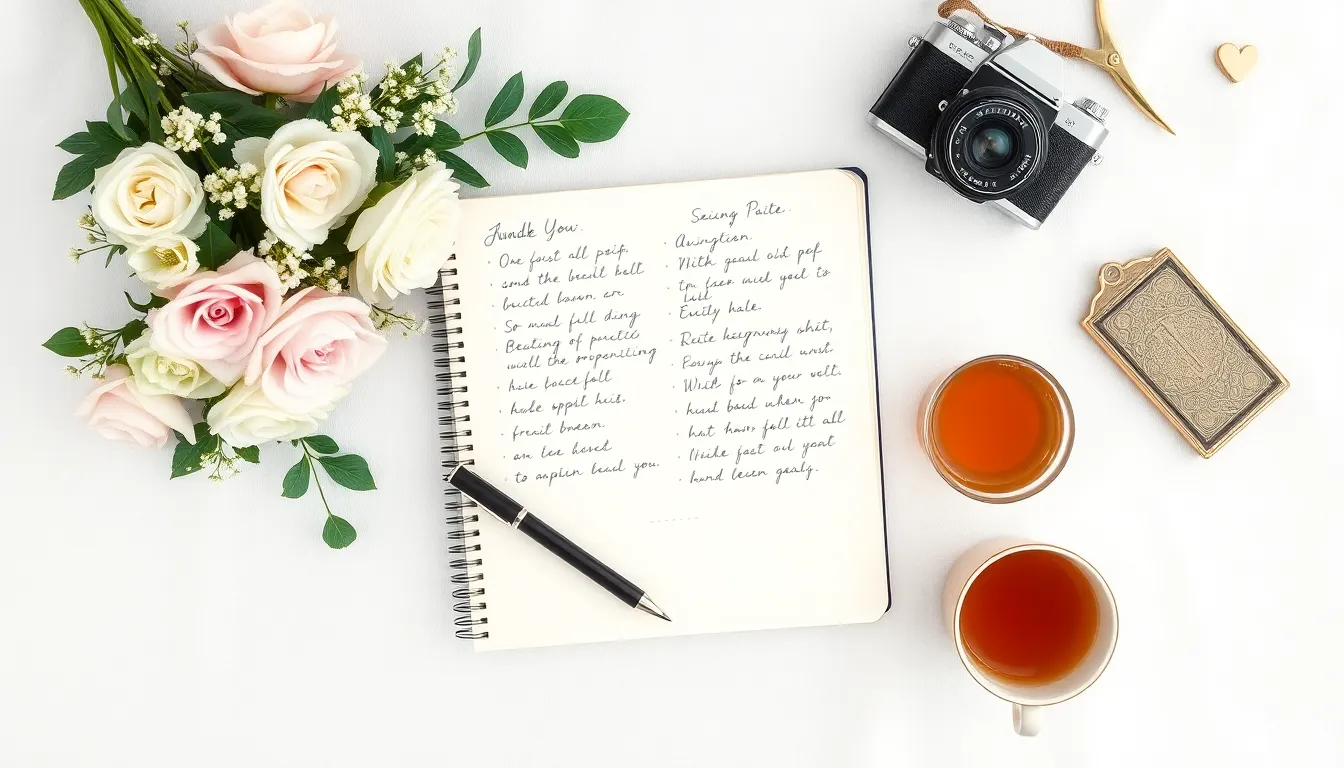




Every October, my living room stops working. The same couch, the same rug, the same lamp that felt perfectly warm in July suddenly reads as cold and slightly accusatory. It took me three years of vague dissatisfaction to figure out why: I was decorating for one season and then just living in the leftovers for the other three. A house that changes with the seasons isn’t about pumpkin garlands or a different throw pillow color. It’s about light, weight, and smell — three things that shift dramatically between March and December whether you plan for them or not.
Start With Light, Not Decor
Summer light in most northern-hemisphere homes comes in high and white around 5 or 6pm. Winter light comes in low, amber, and gone by 4:30. If your only light source is one overhead fixture, you’re fighting the season instead of working with it. The fix costs about $40: two or three warm-toned lamps (look for bulbs rated 2700K, not the bluish 4000K ones) placed at different heights in the room. In summer, I keep them off until dusk. From late October through February, I turn them on the second I walk in the door, even at 3pm. That single habit changes how a room feels more than any seasonal centerpiece ever has.
Swap Weight, Not Color
The instinct is to change colors seasonally — orange in fall, pastels in spring. Skip that. It’s expensive and it dates fast. What actually reads as “seasonal” to your body, even subconsciously, is texture and weight. A linen or cotton throw in June becomes a wool or chunky-knit throw in November — same neutral color, completely different feel underfoot and against skin. I keep two sets of cushion covers in the exact same navy and cream, one in a lightweight cotton canvas and one in corduroy or boucle. The swap takes maybe 20 minutes and the room instantly feels like it belongs to the month it’s in. 
- Spring/summer: linen, cotton, rattan, bare wood floors
- Fall/winter: wool, corduroy, sheepskin, layered rugs
- Keep the base palette identical year-round so nothing ever looks “out of season” in photos
The Plant Rotation Trick
Fresh flowers are the fastest seasonal signal there is, but a $15 bunch dies in a week and most of us stop buying them by February. Instead, I rotate three permanent plants through prime real estate — the coffee table, the console by the door, the kitchen windowsill. A pothos or snake plant sits there most of the year, but I swap in a small potted mum or ornamental cabbage for six weeks in October, and a single amaryllis bulb (they bloom in 6-8 weeks from planting, so start it in early November for a December bloom) for the darkest weeks of winter. It’s one plant doing the seasonal work while everything else in the room stays put.
Don’t Forget Smell
This one gets skipped constantly and it’s the cheapest lever you have. Citrus and green, grassy scents (bergamot, verbena, fig leaf) read as spring and summer to almost everyone’s nervous system. Warm, resinous scents (cedar, clove, sandalwood, anything with a vanilla base) read as fall and winter. You don’t need a $60 candle — a simmer pot with orange peels and cloves on the stove for twenty minutes does more for a November afternoon than any home fragrance diffuser I’ve bought. Match the candle or diffuser you’re already burning to the season and the whole house feels intentional instead of static.
None of this requires a redecorating budget or a Pinterest board. It requires noticing that a room which felt right in June can feel flat in November for reasons that have nothing to do with taste — the light changed, the air changed, and the room didn’t. Fix those three things and the seasonal feeling takes care of itself.


Your insights in this post are spot on. I can\’t wait to see what you write next!
Thank you! I\’m thrilled that you found the post valuable. Your support means a lot.
I\’m impressed by your writing style and the depth of your knowledge on this topic.