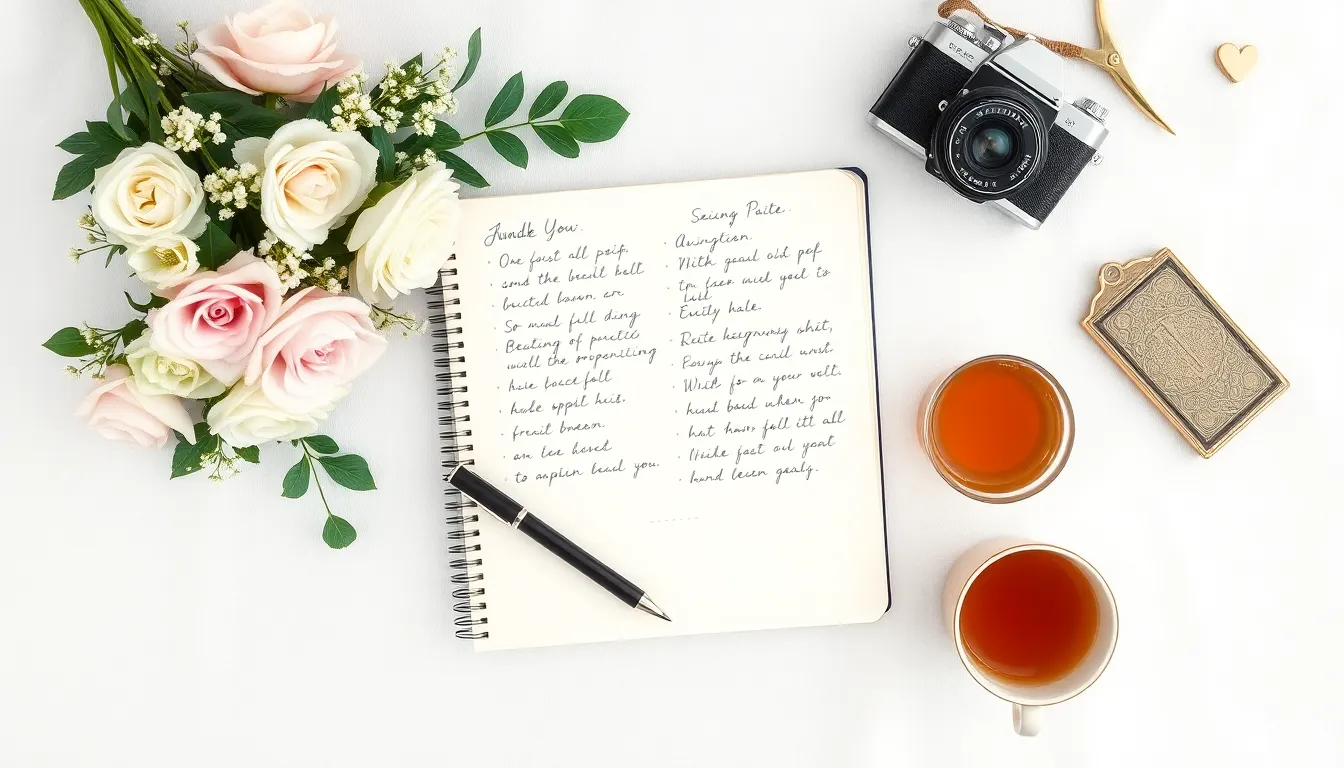




Living with art isn’t about taste or budget as much as people assume. It’s about proximity and repetition — putting something made by a human hand somewhere your eyes land often enough that it actually gets to work on you.
Living with art isn’t about taste or budget as much as people assume. It’s about proximity and repetition — putting something made by a human hand somewhere your eyes land often enough that it actually gets to work on you.
- Buy one $20–50 print from a working artist instead of a mass-produced canvas from a big-box store
- Put it somewhere you pass daily, not just somewhere guests will see it
- Keep a $6 sketchbook on the kitchen table and draw for 10 minutes, badly, before checking your phone in the morning
- Rotate two or three pieces every couple of months instead of buying one and leaving it forever
- Visit one local gallery opening a season — they’re usually free, and talking to the artist for five minutes changes how you see the work
Living with art isn’t about taste or budget as much as people assume. It’s about proximity and repetition — putting something made by a human hand somewhere your eyes land often enough that it actually gets to work on you. 
- Buy one $20–50 print from a working artist instead of a mass-produced canvas from a big-box store
- Put it somewhere you pass daily, not just somewhere guests will see it
- Keep a $6 sketchbook on the kitchen table and draw for 10 minutes, badly, before checking your phone in the morning
- Rotate two or three pieces every couple of months instead of buying one and leaving it forever
- Visit one local gallery opening a season — they’re usually free, and talking to the artist for five minutes changes how you see the work
Living with art isn’t about taste or budget as much as people assume. It’s about proximity and repetition — putting something made by a human hand somewhere your eyes land often enough that it actually gets to work on you.
For most of my twenties, “art” meant something that happened in a museum, on a wall I visited twice a year and thought about for maybe ten minutes total. My apartment had zero original anything — just a mirror and some framed concert posters. Then a friend gave me a $40 print from a local printmaker for my birthday, and I noticed something odd: I looked at it every single day. More attention, cumulatively, than I’d given any museum piece in years. That’s when I stopped treating art as an occasional destination and started treating it as furniture for my brain.
Cheap and rotating beats expensive and permanent
I used to think buying art meant one big, expensive, forever piece. Now I buy small — $20 to $80 prints, mostly from independent artists on Etsy or at local craft fairs — and I rotate them every couple of months. A rotating gallery wall means nothing goes invisible from over-familiarity, which is the actual enemy of living with art. Your eye stops seeing anything it’s looked at unchanged for six months. Swapping four frames costs 20 minutes and makes the whole wall new again.
Ten minutes with a sketchbook does something meditation apps don’t
I’m not good at drawing. That turned out to be the point. Ten minutes a day sketching whatever’s on my kitchen table — a coffee cup, a stack of mail, my dog asleep on the rug — forces a kind of attention that’s different from scrolling or even from most meditation apps I’ve tried. You have to actually look at the negative space between the mug handle and the table edge. You have to notice that a shadow isn’t gray, it’s got blue in it. That noticing doesn’t stay in the sketchbook; it bleeds into how you see the rest of your day, the light coming through your kitchen window at 4pm, the color of your neighbor’s door.
Put it somewhere you’ll actually stop
The living room piece everyone puts money into is usually the one you see least, because you’re not sitting and staring at your living room wall most days. I moved my favorite print to the hallway between my bedroom and the kitchen — a spot I pass through eight or ten times a day, for maybe two seconds each time. Those two-second glances add up to more real engagement than the big statement piece over a couch I only really look at when guests are over.
A few low-cost ways to start
- Buy one $20–50 print from a working artist instead of a mass-produced canvas from a big-box store
- Put it somewhere you pass daily, not just somewhere guests will see it
- Keep a $6 sketchbook on the kitchen table and draw for 10 minutes, badly, before checking your phone in the morning
- Rotate two or three pieces every couple of months instead of buying one and leaving it forever
- Visit one local gallery opening a season — they’re usually free, and talking to the artist for five minutes changes how you see the work
Living with art isn’t about taste or budget as much as people assume. It’s about proximity and repetition — putting something made by a human hand somewhere your eyes land often enough that it actually gets to work on you.


Your post is a true masterpiece. I\’ll be referencing it in my own work.
I\’m so glad I found your site. Your posts are consistently excellent.
I love how your posts are always so well-structured and easy to follow. Keep it up!