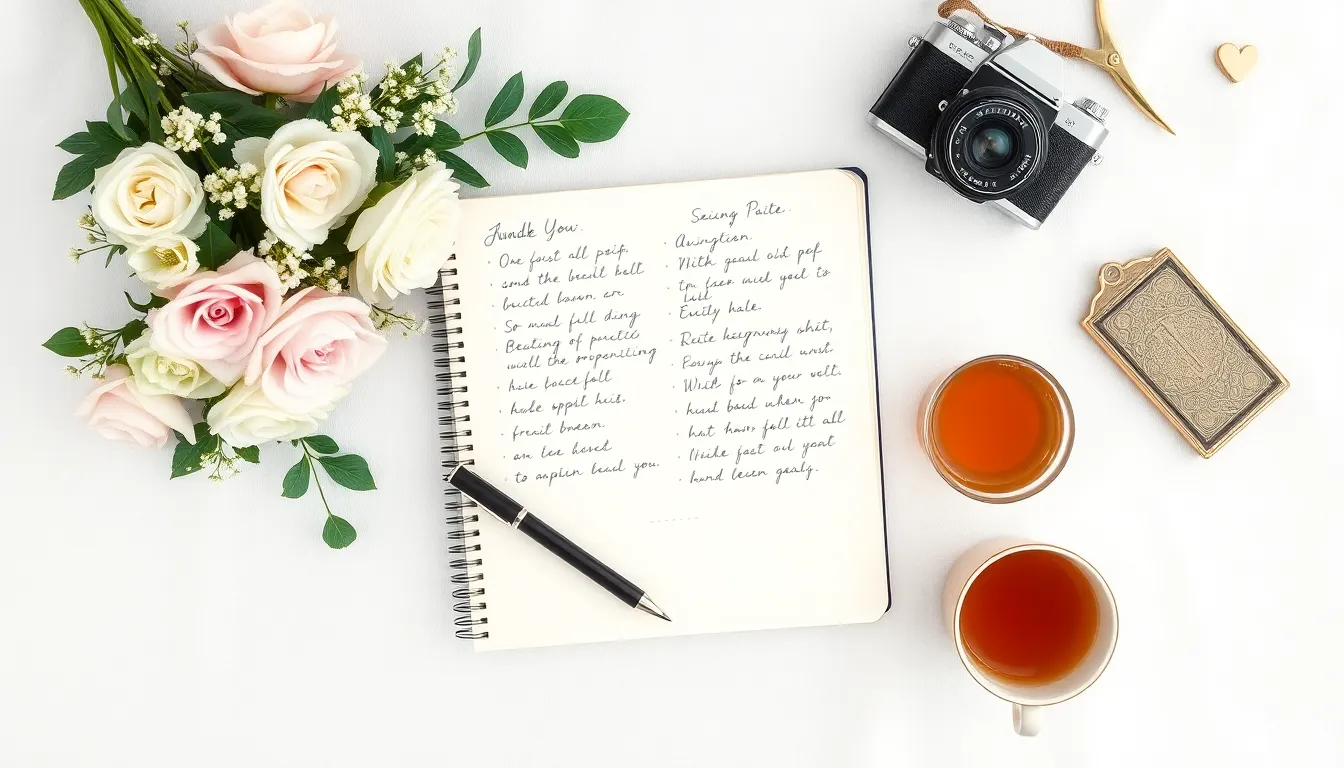




Ask most people what they did last Tuesday and you’ll get a shrug. Not because nothing happened — plenty happened — but because nothing marked it as distinct from the Tuesday before or the one after. The days that do stick in memory usually aren’t the big ones. They’re the ordinary ones with two or three small, deliberate moments built in, and those moments are entirely learnable, not a matter of luck or a more exciting life.
Name the Transitions Instead of Sliding Through Them
Most days blur together because the transitions between activities are invisible — you’re in a work Slack message and then you’re suddenly making dinner, with no moment in between to register the shift. Give each transition a tiny, specific action. Closing your laptop and taking three breaths before standing up. Changing out of work clothes the second you’re done, even if you’re not leaving the house again. Lighting a candle when dinner prep starts and blowing it out when the dishes are done, as a literal bookend to the meal. These sound almost silly written down. They work precisely because they’re small enough to actually do every day and specific enough that your brain registers “that part is over now.”
Upgrade One Mundane Thing on Purpose
You don’t need to overhaul your day — you need to take one thing you already do daily and make it 10% better, on purpose, instead of running it on autopilot. A few genuinely low-effort examples: 
- Make your coffee in a mug you actually like instead of whatever’s clean and closest
- Play one specific album during your commute instead of shuffle, so the drive gets attached to something
- Eat lunch away from your desk at least twice a week, even if it’s just the break room table
- Text one specific person a genuine “thinking of you” once a week, on a day you pick in advance
None of this costs money or takes extra time. It’s the same actions, done with five extra seconds of intention attached.
Build a Five-Minute Closing Ritual
Most days don’t have a clear ending — they just trail off into scrolling until you fall asleep with the phone still in your hand. Build a specific five-minute close instead: write down one thing that actually happened that day, worth remembering, in a single running notebook. Not a gratitude list, just a fact — “walked past a street musician playing something I didn’t recognize and liked.” Six months in, flipping back through that notebook does more to make your life feel eventful than any single big trip did, because it’s proof that ordinary days were never actually empty. You just weren’t collecting the evidence.
None of these rituals require more time than you already have. They require deciding, a handful of times a day, that this specific ordinary moment is worth marking instead of letting it slide by unnoticed.


I couldn\’t agree more! Your post is a valuable resource that I\’ll be sharing with others.
Thank you, for your kind words. I\’m committed to maintaining the quality of my posts.
I\’m so glad I found your site. Your posts are consistently excellent.